
Simple Ways to Organize Your Home Office for Increased Productivity
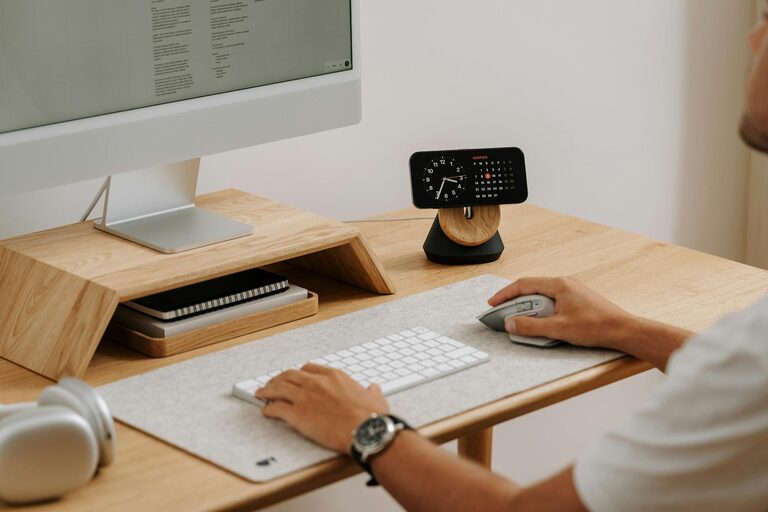
Creating an organized and efficient home office can significantly improve your productivity and overall work experience. A clutter-free, well-arranged space allows you to focus better, reduce stress, and get more done in less time. Whether you have a small nook or a dedicated room, these simple ways to organize your home office will help you create a productive environment tailored to your needs.
Why Organize Your Home Office?
An organized workspace helps to:
– Minimize distractions
– Save time searching for documents or tools
– Enhance focus and motivation
– Create a more pleasant environment
By taking the time to set up your office thoughtfully, you invest in your work efficiency and well-being.
Start with Decluttering
Before organizing, clear your workspace of unnecessary items. Here’s how to do it efficiently:
– Sort your belongings: Separate items into categories: essentials, occasionally used, and unnecessary.
– Reduce paper clutter: Digitize important documents and recycle what you no longer need.
– Remove distractions: Put away personal items or gadgets that don’t contribute to your work.
Decluttering lays the foundation for an organized office and frees up valuable space.
Choose the Right Furniture and Layout
Your office setup impacts your comfort and productivity. Keep these points in mind:
– Desk size: Choose a desk with enough surface area for your computer, notebooks, and other essentials without overcrowding.
– Comfortable chair: Invest in an ergonomic chair that supports your posture.
– Natural light: Position your desk near a window if possible to benefit from natural light, which can boost mood and alertness.
– Layout: Arrange furniture so you can move freely, and keep frequently used items within easy reach.
A well-planned layout makes your workspace more inviting and efficient.
Use Storage Solutions Wisely
Effective storage helps keep your office neat and accessible:
– Shelving: Install shelves to store books, files, or decorative items, saving desk space.
– Drawer organizers: Use trays or dividers to separate office supplies within drawers.
– Labelled containers: Label boxes or bins for paper clips, pens, and other small items to find them quickly.
– Filing system: Create a simple, organized filing system for paperwork. Use folders labeled by category or priority.
Regularly review and reorganize storage to maintain order.
Keep Your Tech Organized
Technology can be both a productivity booster and a source of chaos. Manage your tech efficiently by:
– Cord management: Use cable clips, sleeves, or ties to keep wires untangled and out of sight.
– Device stations: Designate a specific area or charging station for your phone, tablet, and other devices.
– Regular cleanup: Delete unnecessary files and update software to keep your devices running smoothly.
A neat tech setup reduces distractions and technical frustrations.
Create Zones for Different Tasks
Dividing your office into zones can enhance focus:
– Work zone: The main desk for computer and paperwork.
– Reference zone: Shelves or cabinets for books and reference materials.
– Creative zone: A space with tools for brainstorming or crafting, if applicable.
– Break zone: A small area for rest, including comfortable seating or a spot for refreshments.
These zones help you shift gears easily and keep your office orderly.
Incorporate Personal Touches Thoughtfully
Adding personal touches can make your office more enjoyable, but avoid cluttering:
– Plants: Small indoor plants improve air quality and add a calming effect.
– Artwork: Choose inspiring art or photos that motivate you.
– Color: Use colors that energize or soothe, according to your preference.
Keeping these elements simple maintains a clean environment while making it inviting.
Maintain a Daily Routine
Organization is an ongoing process. Adopt habits to keep your home office in top shape:
– End-of-day cleanup: Spend a few minutes tidying your desk and filing documents.
– Weekly review: Go through supplies and paperwork to discard or reorganize as needed.
– Plan ahead: Prepare your workspace for the next day to start work smoothly.
Consistent routines prevent clutter buildup and support productivity.
Final Thoughts
Organizing your home office doesn’t have to be overwhelming. Small, intentional changes can lead to a more productive and pleasant workspace. Start with decluttering, invest in the right furniture, manage storage effectively, and maintain your setup with simple daily habits. With these steps, your home office will become a space where focus and productivity thrive.
Related Post
Tips for Creating a Productive Home Office That Boosts Focus and Creativity
Discover practical tips to design a home office that enhances your focus and sparks creativity [...]
How to Create a Cozy and Productive Home Workspace
Discover practical tips to design a home workspace that boosts comfort and productivity, making your [...]
Tips for Creating a Cozy and Productive Home Office Space
Discover simple ways to design a home office that boosts your focus and comfort, making [...]