
Tips for Creating a Cozy and Productive Home Office Space
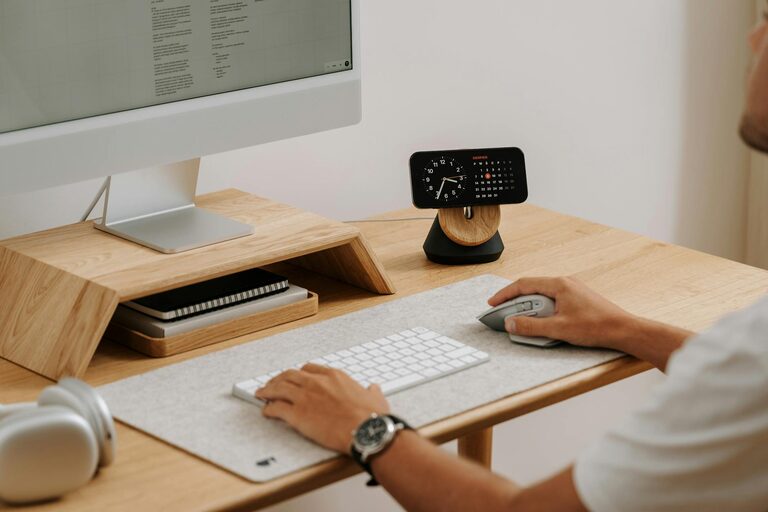
Creating a home office that is both cozy and productive can make a significant difference in how you feel about your workday. Whether you work remotely full-time, freelance, or just need a dedicated space for occasional projects, a well-designed office can increase focus and comfort. Here are some helpful tips to transform any area into a welcoming and efficient workspace.
Choose the Right Location
The first step in creating a home office is selecting the best spot. Ideally, you want a quiet area away from distractions. If space is limited, even a corner or small nook can work well.
– Natural Light: Position your desk near a window to benefit from natural light, which boosts mood and alertness.
– Privacy: Choose a location that allows some level of separation from household activity, even if it’s just a room divider.
– Ventilation: Make sure your space has good airflow to stay fresh and comfortable throughout the day.
Invest in Comfortable Furniture
Comfort is key to productivity. Spending quality time in a poorly designed chair or cramped desk can lead to fatigue or discomfort.
– Ergonomic Chair: A supportive chair that encourages good posture reduces back and neck strain.
– Adjustable Desk: Consider a desk with adjustable height for flexibility between sitting and standing.
– Adequate Surface Area: Choose a desk large enough to hold your essentials without overcrowding.
Optimize Lighting for Focus and Warmth
Good lighting balances task needs and ambiance.
– Task Lighting: Use desk lamps with adjustable brightness to reduce eye strain.
– Ambient Lighting: Warm, soft overhead lights or floor lamps can create a cozy atmosphere.
– Avoid Glare: Position screens and lights to prevent glare, which can cause headaches.
Personalize with Cozy Touches
Adding personal and cozy elements helps make your office inviting and inspiring.
– Soft Textures: Incorporate cushions, a throw blanket, or a small rug for warmth.
– Plants: Indoor plants brighten the space and improve air quality.
– Artwork and Photos: Display pictures or artwork that motivate or relax you.
– Scent: Light a mild scented candle or use essential oils for a pleasant environment.
Keep It Organized
Clutter can hinder concentration. Maintaining an orderly workspace encourages productivity.
– Storage Solutions: Use shelves, drawers, or filing cabinets to keep supplies organized.
– Cable Management: Use clips or cable boxes to keep cords neat.
– Daily Clean-Up: Spend a few minutes tidying your desk at the end of each day to start fresh tomorrow.
Use Technology Wisely
Technology is an essential part of most home offices but should be managed to improve efficiency.
– Reliable Equipment: Invest in a good computer, headset, and internet connection to avoid interruptions.
– Useful Apps: Use calendar, task, and note-taking apps to stay organized.
– Minimize Distractions: Turn off non-work notifications during focus time.
Create Boundaries Between Work and Home Life
Having a dedicated workspace helps maintain a healthy work-life balance.
– Define Office Hours: Set specific start and end times for your workday.
– Physical Separation: Close the door or use a room divider when you are working.
– Break Areas: Step away from your workspace for breaks to recharge.
Regularly Refresh Your Space
Over time, your workspace may need updates to stay inspiring and functional.
– Declutter: Periodically remove items you no longer need.
– Rearrange: Change the layout for a fresh perspective.
– Update Decor: Swap out decorations or add new plants to change the mood.
Final Thoughts
A cozy and productive home office is achievable with thoughtful planning and attention to comfort and organization. By choosing the right location, investing in supportive furniture, optimizing lighting, personalizing your space, staying organized, and establishing clear boundaries, you create an environment that makes work enjoyable and effective. Remember, small changes can make a big difference in creating a workspace that supports your best work every day.
Related Post
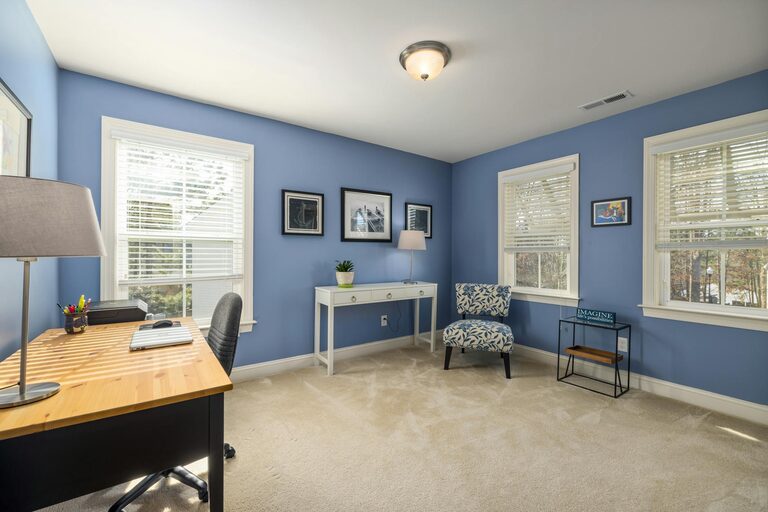
Tips for Creating a Cozy and Inviting Home Workspace
Discover practical ways to design a cozy and inviting home workspace that boosts comfort and [...]
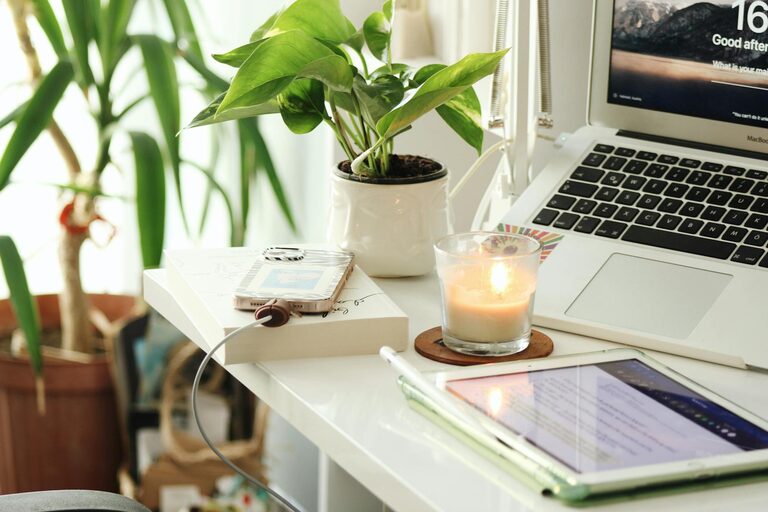
Tips for Creating a Cozy and Productive Home Office Space
Discover simple ways to design a home office that boosts your focus and comfort, making [...]
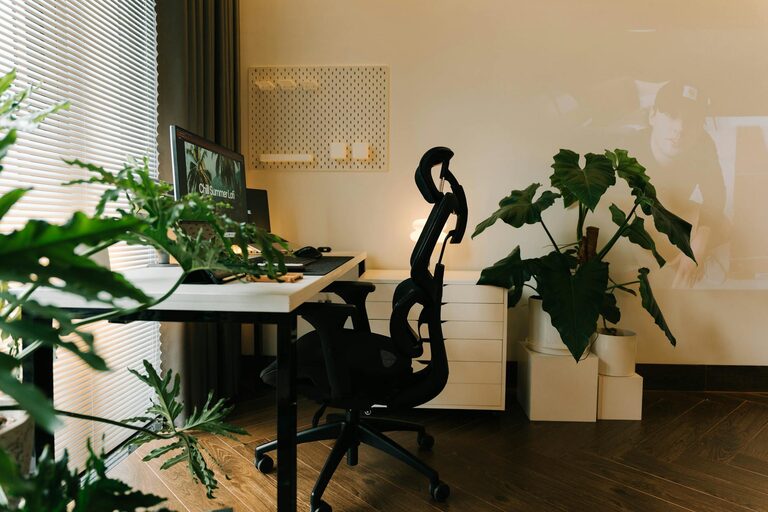
Tips for Creating a Cozy and Functional Home Office Space
Discover simple ways to design a home office that is both comfortable and efficient, helping [...]